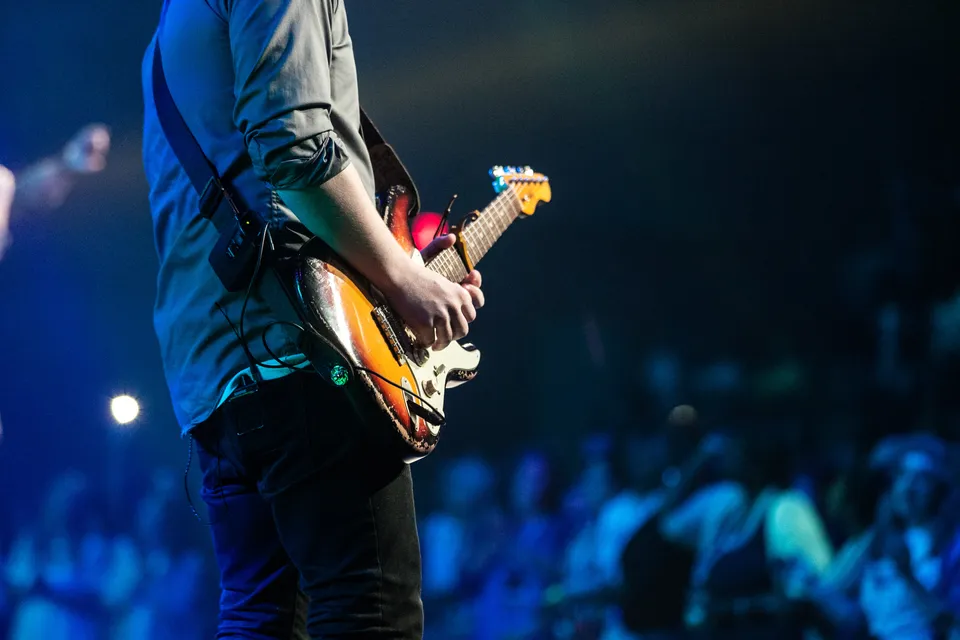
A young person does not need to aim for a music career to enjoy playing guitar. Curiosity, a favourite song and the chance to share progress can provide a useful starting point. Danny teaches children aged eight and above; a parent or guardian should arrange lessons.
Start with music they enjoy
Ask which songs or sounds have caught their attention. A full song may be too demanding at first, but a short melody, a simple rhythm or a small section can provide a satisfying goal. Keep space for the young person’s choices alongside the skills they are developing.
Listening together can be useful too. Try identifying the guitar, bass and drums, or noticing when the music becomes quieter. There is no need to turn every listening moment into a test.
Make progress easy to notice
Choose one achievable task, such as making a clearer note or moving between two chords. Return to it over several short sessions and notice what becomes easier. Encouragement can focus on attention, patience and trying again, rather than comparing progress with another child.
A comfortable instrument matters. If reaching the strings is difficult, ask for advice about size and setup. See the Bristol guitar-buying guide before purchasing equipment.
Explore playing with others
A school music group or an informal session with friends can give a young guitarist a reason to listen and keep time. Ask the school what is available and whether it suits their experience. For organised activities, confirm supervision and practical arrangements with the provider.
Bristol Beacon’s ensemble directory includes opportunities for young musicians, including guitar groups. Follow the current listing to check ages, experience requirements, location, costs and availability. These are independent activities, not part of Danny’s lesson offer.
Enjoy live music thoughtfully
Choose an event suitable for the child’s age and interests, and check the venue’s entry and access information first. A short performance may be more manageable than a long evening. Afterwards, talk about one thing they enjoyed or would like to try.
The Bristol venue guide provides starting points for finding current listings. Always check the particular event before buying tickets.
A manageable first week of playing
Ask the teacher for one clear task the young person can explain back in their own words. It might be finding two notes, making one chord sound clearer or keeping a simple rhythm. At home, start by checking the guitar is ready, try that task slowly, then leave some time for a favourite musical activity. The exact session length should suit the child and the task.
Keep the next step visible: a short note in a practice book can be easier to use than a long list of instructions. At the next lesson, mention what was enjoyable and what caused confusion. If the task repeatedly ends in frustration, ask for it to be broken into a smaller step instead of simply asking the child to repeat it for longer.
When interest dips or progress feels slow
First find out what has changed. The music might no longer interest them, the instrument might feel awkward, or a particular skill may be harder than expected. Ask a specific question such as which part they would like help with. A different song or a smaller goal can give the next session a clearer purpose.
Avoid making every performance a test. Invite them to share something when they want to, and ask before recording or sharing it with anyone else. Progress might mean a steadier rhythm or starting independently, rather than finishing a whole song. Comparing siblings or classmates rarely helps you understand what this particular learner needs next.
When considering a school group or a Bristol Beacon ensemble, ask how a new player joins in, whether an audition or a particular level is needed, and what equipment they must bring. Discuss the travel and time commitment with the young person too. A group should suit their interests and experience; joining one does not replace the need to confirm its supervision and practical arrangements.
Keep lessons encouraging
Tell Danny about the child’s age, interests and previous experience. The first conversation can cover the guitar they have, a suitable lesson length and how lessons at home would work. Exams are optional, and learning for enjoyment is welcome.
Read how guitar lessons work, compare lesson prices or ask about a first lesson.
Reviewed . Local details are based on the linked provider and cultural sources. Confirm current stock, availability, access and booking arrangements directly before making plans.